

ISO 20743
Antibacterial activity of textile products
A referenced international method for evaluating antibacterial activity on textile products. BioNAT’s brochure records successful testing against this method.
A closer look at the test references, durability and odour-control principle behind BioNAT.
Testing references
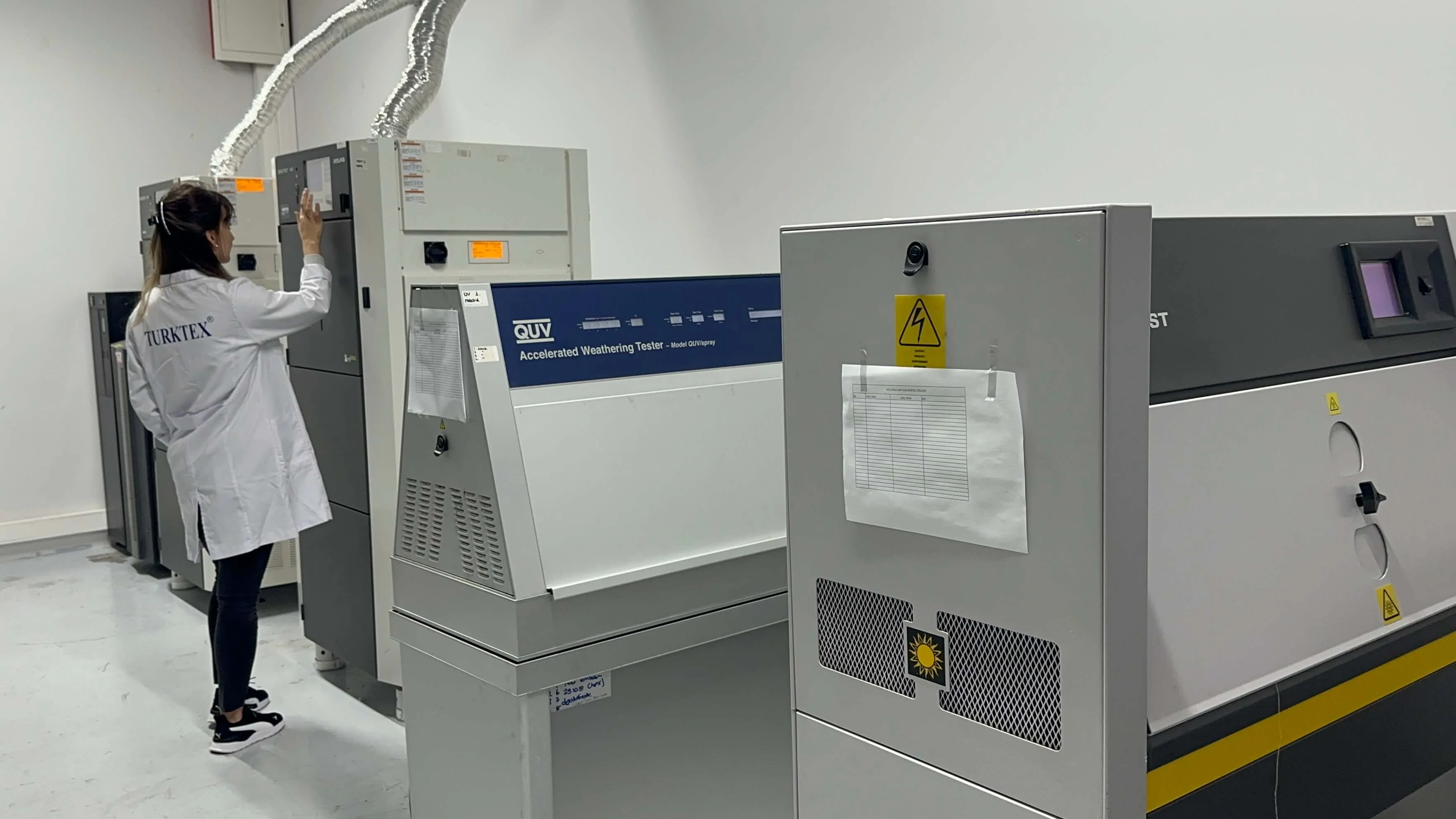
The BioNAT technical brochure reports antimicrobial testing against ISO 20743 and AATCC 30, covering antibacterial activity in textiles and antifungal assessment.
ISO 20743
A referenced international method for evaluating antibacterial activity on textile products. BioNAT’s brochure records successful testing against this method.
AATCC 30
A referenced test family for resistance of textile materials to fungi. BioNAT’s brochure records successful antimicrobial testing against AATCC 30.
Test statements on this page are based on the supplied BioNAT technical brochure. Contact Turktex for application-specific reports and current documentation.
Built to remain
Inside the polymer
Durability of function
Because the additive is introduced into the polymer during melt spinning, the antimicrobial function is designed to remain through the textile’s useful life rather than being removed as a surface finish.
Odour-control principle
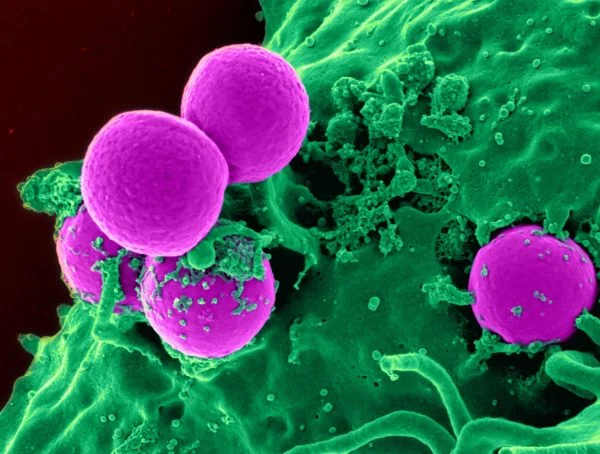
Physical activity creates moisture and transfers bacteria to textile surfaces.
On untreated surfaces, bacteria can multiply and consume amino acids in sweat.
BioNAT helps inhibit this growth, supporting longer-lasting freshness.
Need the evidence?
The Turktex team can share available documentation and help assess the right BioNAT construction for your end use.